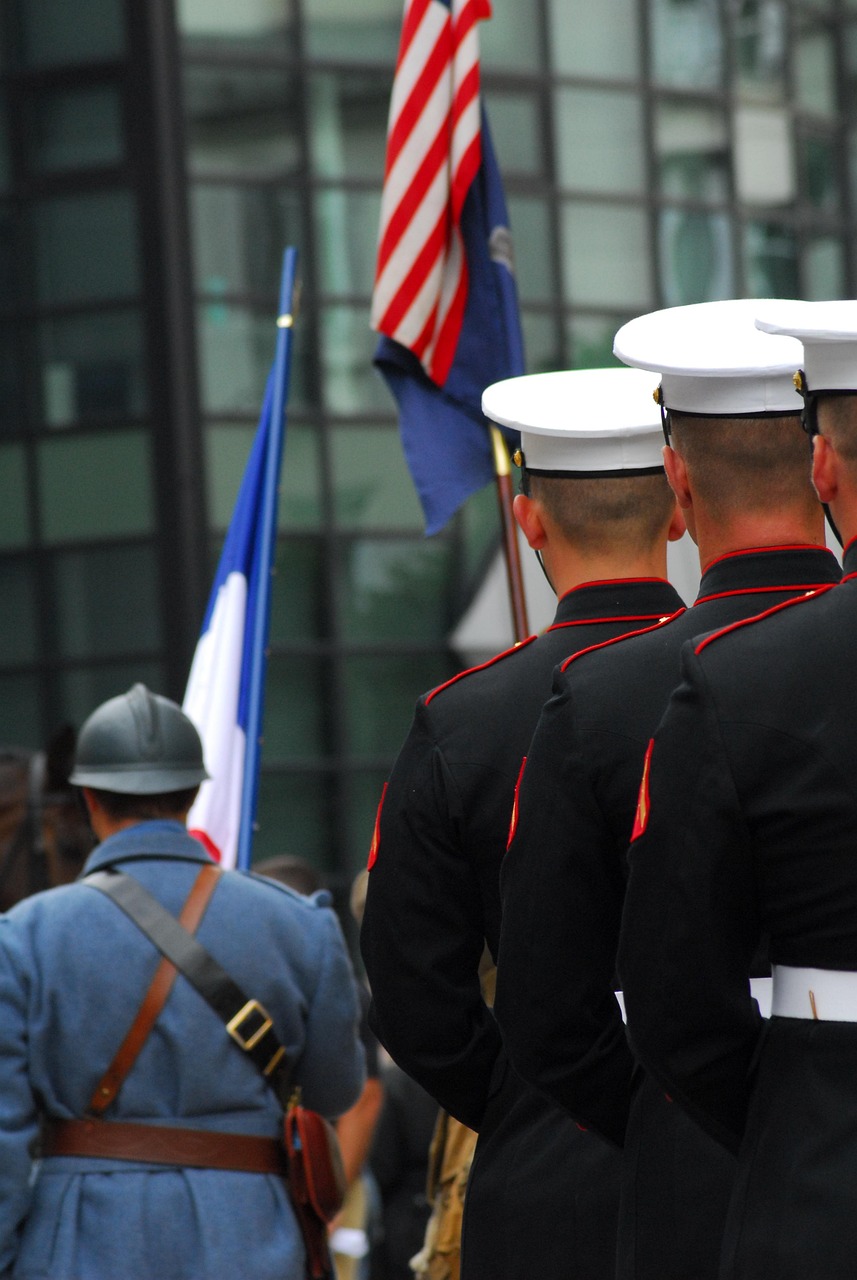
Reenactors Quality Civil War Flags are essential to preserving the rich history and authenticity of historical reenactments. The demand for accurate, era-appropriate standards is high, yet purchasing authentic flags can be a daunting task. Many flag sellers offer reproductions that may look similar but lack the craftsmanship and materials of the original standards. This article provides top tips for discerning genuine Civil War-era flags from reputable suppliers, ensuring reenactors can acquire the highest quality standards while also guiding them through the process of display and, when needed, restoration.
- Researching Era-Specific Details for Authenticity
- Choosing Reputable Vendors: Your First Line of Defense
- Material Matters: Fabric, Design, and Construction
- Inspecting Flags for Quality and Historical Accuracy
- Care and Maintenance: Extending Your Flag's Lifespan
- For Reenactors: Incorporating Flags into Your Living History
Researching Era-Specific Details for Authenticity
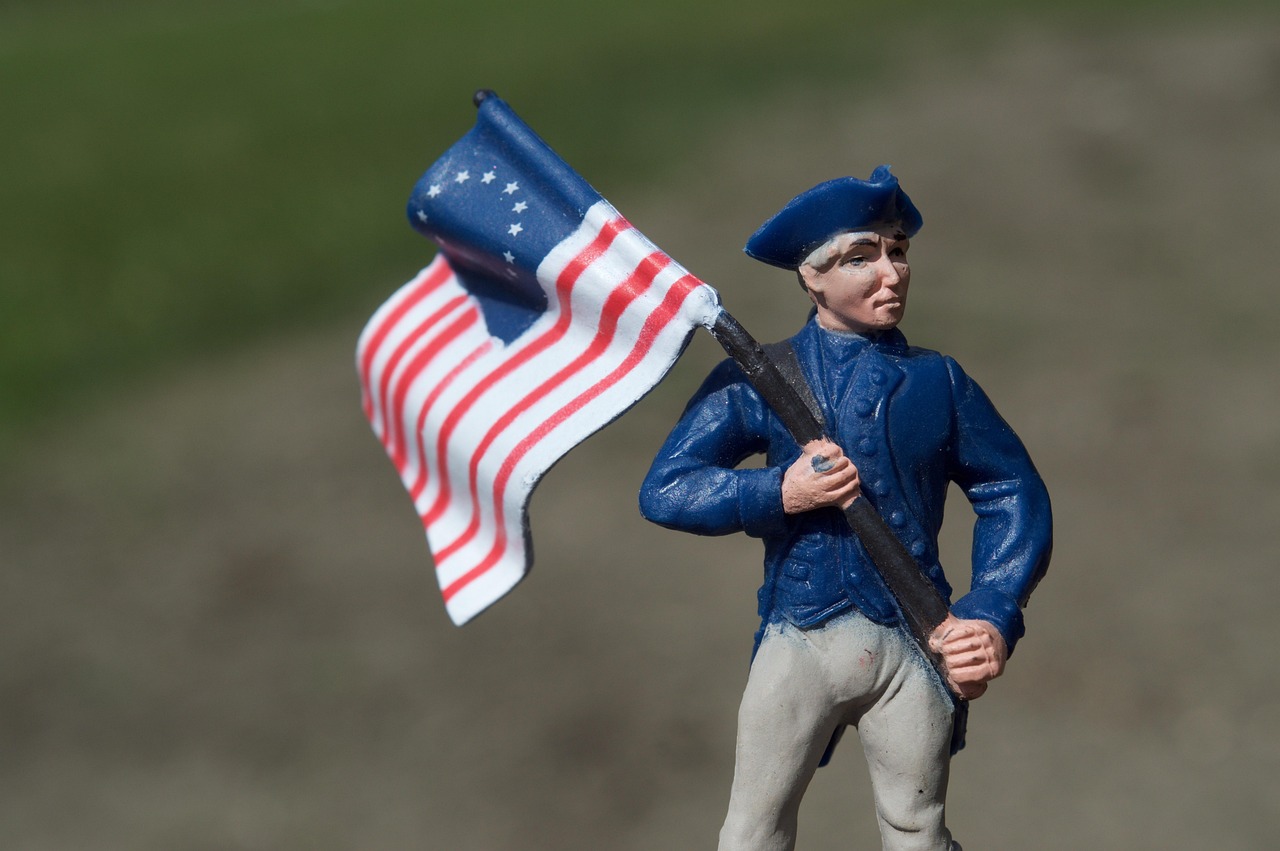
Researching the specific details of civil war era flags is a crucial step in ensuring authenticity for reenactors and flag enthusiasts. This process involves a deep examine the historical context, materials used, and design variations of the period. Online resources for flag enthusiasts are abundant and can serve as a valuable starting point. Websites and forums dedicated to civil war history often feature discussions on the best materials for civil war flags. Cotton was a prevalent fabric due to its availability and durability, making it a top choice for reproduction flags.
A comprehensive civil war era flag identification guide is essential for buyers. This guide should include details like flag dimensions, colors, and unique design elements specific to each side-Union and Confederacy. By studying these attributes, you can avoid common reproductions that may lack the subtle nuances of original flags. The guide should also cover the various flag types, from standard banners to more ornate standards carried by officers. For reenactors, getting these details right is crucial for maintaining historical accuracy during events.
When researching, look for top-rated suppliers known for their commitment to quality and authenticity. They may also offer custom printing services to cater to specific research-based needs. By combining thorough research with expert guidance, you can acquire flags that not only look authentic but also carry the historical weight of the period.
Choosing Reputable Vendors: Your First Line of Defense

Choosing reputable vendors is your first line of defense when sourcing authentic Reenactors Quality Civil War Flags. While the internet offers a plethora of options, not all sellers provide products of the highest quality. To ensure you're getting the real deal, especially for reenactments, display, or historical education, it's crucial to vet the supplier. Look for top-rated US suppliers with a proven track record. Customer reviews can provide valuable insights into a vendor's reliability and product quality.
Beyond simply looking at ratings, consider the vendor's expertise. A leading flag company like Ultimate Flags, for instance, often has a deeper understanding of the historical context, the materials used, and the intricacies of reproduction. This knowledge translates into flags that not only look the part but also stand up to the rigors of display and handling. When researching, pay attention to details like construction, fabric type (often cotton), and custom printing capabilities. These factors contribute to the flag's authenticity and longevity.
Ethical and proper flag protocol is essential, especially when displaying for reenactments. The way you present these standards tells a story and respects the sacrifice of those they represent. Correct flag etiquette includes the proper placement of the flag, whether it's hung vertically or displayed flat. Understanding the guidelines ensures your flags are shown with the respect they deserve. Remember, the goal is to bring history to life, and accurate flags are a critical component of that experience.
Material Matters: Fabric, Design, and Construction

When seeking Reenactors Quality Civil War Flags, material matters. The fabric, design, and construction of these historical standards play a crucial role in their authenticity and longevity. Let's examine these key aspects to ensure you're purchasing flags of the highest quality.
Cotton, for instance, is a popular choice for its durability and ability to withstand outdoor conditions. The construction process involves meticulous stitching and reinforcement, crucial for maintaining the flag's shape and integrity during reenactments. After all, flag protocol for these events demands the utmost attention to detail, and using reproduction flags with authentic construction ensures your participation honors the history accurately.
Online resources for flag enthusiasts provide valuable insights into civil war flag etiquette, from proper display to handling. Understanding these guidelines is essential, as the way a flag is flown and maintained can impact its longevity. Real standards, as used by historical groups, often require specific folding and storage methods to prevent damage. By adhering to these protocols, you not only maintain the flag's condition but also pay respect to the men and women who fought under them.
To material, design choices significantly affect a flag's authenticity. The colors, patterns, and even the placement of stars and stripes must align with the historical period. Flag specialists, such as those at Ultimate Flags, can guide you through these nuances, ensuring your purchase is not only visually striking but also accurate. After all, the goal for reenactors is to bring history to life, and the flags they carry are a powerful part of that experience.
Inspecting Flags for Quality and Historical Accuracy

When shopping for Reenactors Quality Civil War Flags, inspecting the flags for both quality and historical accuracy is paramount. Start by examining the material. Cotton was the primary fabric used during the Civil War era, so ensure the flag is made from this authentic material. The construction should be robust, with sturdy stitching and reinforced seams to withstand the rigors of display and handling.
Next, look closely at the design details. Historical accuracy involves more than just the colors; pay attention to the flag's proportions, the arrangement of stars and stripes, and any distinctive patterns or emblems. Reproductions from trusted flag shops near me, like Ultimate Flags, should perfectly mirror the original designs, down to the smallest detail. The placement of each star should be exact, and the lines between the stripes should be straight and even. Avoid flags with inconsistencies that could indicate subpar reproduction or counterfeit materials.
Consider the care that has gone into preserving the flag. Authentic civil war flag reproductions often come with documentation detailing their construction and provenance. A quality flag source like Ultimate Flags will provide information on the materials used, the construction methods, and even the historical context of the flag. Solving common flag damage issues begins with understanding these details. Proper care and storage can prevent damage, but if you do encounter issues, knowing the flag's construction will help you address them effectively.
Care and Maintenance: Extending Your Flag's Lifespan
When you're looking to buy authentic Civil War-era standards, proper care and maintenance are key to extending their lifespan. Reenactors Quality Civil War Flags, like those from professional flag provider Ultimate Flags, are valuable investments that deserve thoughtful handling. One of the most common issues with these flags is damage from exposure to the elements. To prevent this, store your flags in a cool, dry place when not in use. If hanging outdoors, ensure they're protected from direct sunlight and strong winds. Regular cleaning is also crucial. Hand-wash with mild soap and cool water, then air dry completely to avoid mold or mildew.
Beyond storage and cleaning, understanding the appropriate etiquette for handling and displaying these flags is essential. Always handle them gently, using the edges to avoid pulling on the seams. When hanging, use proper hangers designed for flags to prevent stretching or tearing. Consider the placement of your flag-it should be prominently displayed but not in a position where it's frequently touched or exposed to harsh conditions. A table or indoor display may be preferable to an outdoor setting where it's constantly exposed.
Solving common display problems can significantly prolong the life of your flag. Regular inspection for signs of wear and tear, such as frayed edges or faded colors, is crucial. Address these issues promptly to prevent further damage. If you notice any problems, consult with a professional flag supplier or reenactor for advice on restoration or reproduction. Remember, authentic civil war flag reproductions, like those offered by top-rated suppliers, should be treated with the same care as the originals to ensure their longevity and historical integrity.
For Reenactors: Incorporating Flags into Your Living History
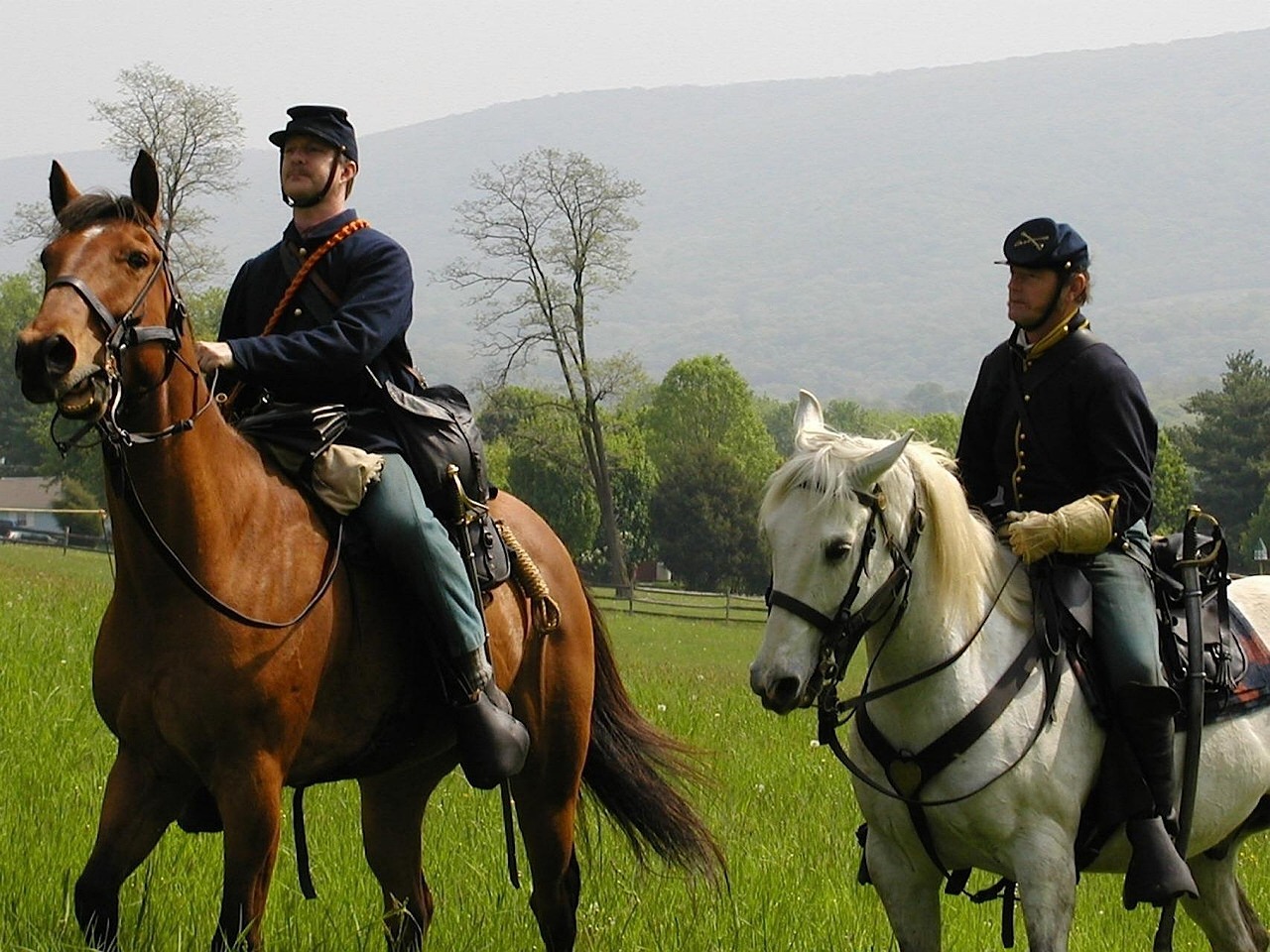
When reenacting, accurately representing the past is paramount. For reenactors looking to incorporate flags into their living history, purchasing authentic Civil War-era standards is crucial. While the market offers reproductions, knowing how to identify original flags from the era is essential for historical accuracy.
The online flag store Ultimate Flags, a trusted supplier of quality flags, emphasizes the importance of authenticity. Flags aren't simply about looking the part; they bring history to life. Start by understanding the materials used. Original flags from the Civil War period were typically made of cotton, a durable yet lightweight fabric that allowed for easy carrying and deployment on the battlefield. Reproductions accurately mimic these materials, but close inspection may reveal subtle differences in stitching or the feel of the fabric.
Another key aspect is custom printing. Original flags often featured intricate designs and specific colors, reflecting the unit or cause they represented. Reproductions should accurately reflect these details, from the shade of blue to the precision of embroidered symbols. Quality flag suppliers, often top-rated among US vendors, understand the importance of this historical accuracy. A reproduction of a real standard from a particular regiment should match not only the colors but also the exact design and proportions seen in period photographs.
Finally, consider the overall condition and age of the flag. Original Civil War flags, if preserved, show their age, with faded colors and potential wear at the edges. Reproductions should aim for this aged appearance without compromising durability. Remember, when recreating historical Civil War standards, the goal is to transport viewers back in time, and the right flag-whether original or a superior reproduction-can make all the difference.
For purchasing Flags, this guide offers a comprehensive roadmap for authenticity and excellence. From meticulous research on era-specific details to choosing reputable vendors and understanding material quality, each step ensures you acquire flags that accurately represent the past. By inspecting for quality and historical accuracy, and by implementing proper care and maintenance, you can extend the lifespan of these valuable pieces. For reenactors, integrating these flags into your living history presentations enhances the authenticity of your portrayal, making each performance more immersive and educational. This article empowers buyers to make informed decisions, ensuring they acquire top-quality, historically accurate flags that contribute to a meaningful and respectful commemoration of the Civil War era.
Flags: A Summary
Look for cotton fabric, historical expertise, and custom printing accuracy. Follow proper display and care guidelines for longevity. Inspect flags for quality, historical accuracy, and damage prevention. For reenactors, authenticity is key to a convincing historical representation. Research, vet suppliers, and prioritize flag condition and age for the best reproductions.