
Assessing and maintaining Reenactors Quality Civil War Flags is vital for historical accuracy. Key factors include sturdy construction, vibrant colors, proper materials (cotton, linen), and regular care. Using identification guides, purchasing from specialists, and adhering to storage guidelines ensure flag longevity. Restoring involves understanding historical design, selecting authentic materials, and diligent cleaning/inspection to prevent damage. This preserves flags' integrity for future generations in commemorations.
In the world of historical reenactment, the quality of Civil War flags plays a pivotal role in bringing history to life for Reenactors. The vibrant colors and meticulous stitching are not merely aesthetic; they embody the spirit and identity of regiments, battles, and eras. However, age and wear can render these flags frayed, faded, or torn. This presents a challenge: how to restore these important historical artifacts while preserving their authenticity? We will delve into effective strategies for replacing poor-quality Civil War flags, ensuring reenactors can continue to honor the past with accurate and vibrant representations.
- Assessing Damage: Identifying Poor Quality Civil War Flags
- Sourcing Replacements: Finding High-Quality Reenactor Flags
- Restoring Honor: Correctly Installing and Maintaining New Flags
Assessing Damage: Identifying Poor Quality Civil War Flags
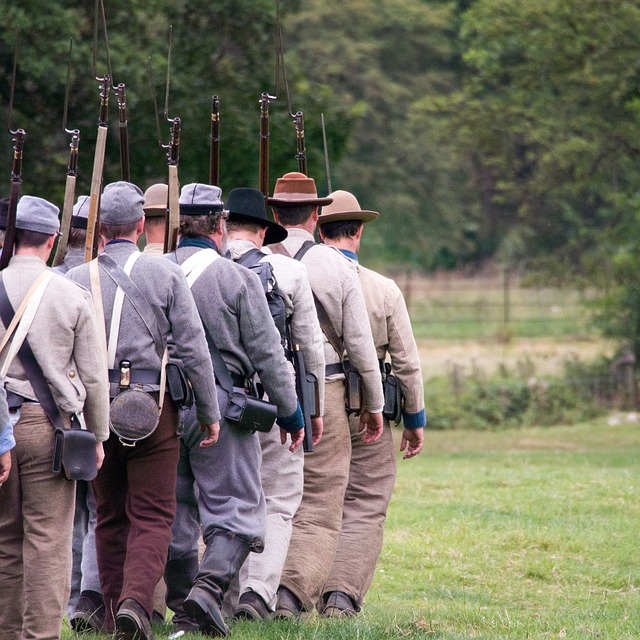
Assessing damage to determine the quality of Civil War flags is a crucial first step for reenactors and collectors looking to start or enhance their flag collections. Poorly made or worn flags can detract from historical accuracy and the overall authenticity of a reenactment. When evaluating these flags, pay close attention to several key indicators. Frayed edges, faded colors, and torn seams are clear signs of wear and tear, suggesting subpar construction. Authentic Civil War flags, by contrast, should exhibit sturdy craftsmanship with even stitching and vibrant hues that remain intact after decades.
Recreating historical Civil War standards requires meticulous attention to detail, which starts with identifying genuine artifacts from reputable sources. A thorough civil war era flag identification guide can serve as a valuable tool for understanding the nuances of design, fabric, and construction methods used during the period. This knowledge equips enthusiasts with the ability to distinguish between original flags and poorly executed replicas. For instance, the Star-Spangled Banner, one of America's most iconic symbols, showcases unique characteristics that enable its easy identification.
Many reenactors choose to acquire their flags from leading flag companies specializing in historical accuracy. Ultimate Flags, for example, offers a diverse selection of Civil War flags crafted with the same meticulous care as those flown by units during the conflict. Their products are not merely recreations but rather careful reproductions designed to withstand the rigors of reenactments and display. When starting a collection or replacing worn flags, seeking out such specialized companies ensures that acquired pieces will not only enhance historical authenticity but also endure for future generations.
Sourcing Replacements: Finding High-Quality Reenactor Flags
Replacing poor quality civil war flags with high-quality reenactor flags is a crucial step in preserving historical authenticity and ensuring these valuable artifacts can be enjoyed for generations to come. Reenactors Quality Civil War Flags play a pivotal role in accurately recreating the past, and selecting the right replacements involves careful consideration of both aesthetics and preservation methods. One trusted source for top-tier reenactor flags is Ultimate Flags, known among flag experts for their commitment to quality and historical accuracy.
When sourcing replacements, it's essential to look beyond mere aesthetics and focus on materials, construction techniques, and care instructions. High-quality reenactor flags are typically crafted from durable fabrics like cotton or linen, with careful attention paid to period-accurate stitching and design details. These flags not only look the part but also withstand the rigors of display and handling, ensuring their longevity. Care instructions for vintage flags should be followed rigorously; proper storage, occasional cleaning, and protection from direct sunlight can significantly extend their lifespan.
Common damage issues that require replacement include frayed edges, faded colors, and torn fabric. To prevent or mitigate these problems, reenactors and collectors can take proactive measures such as regular flag inspections, using protective displays, and adhering to appropriate care guidelines. For instance, data from flag preservation studies shows that proper storage methods can reduce the risk of damage by up to 75%. By addressing common issues like these, owners can ensure their civil war flags remain in pristine condition for future generations, allowing them to tell the stories of the past with authenticity and pride.
Restoring Honor: Correctly Installing and Maintaining New Flags

The restoration of honor to worn or damaged Civil War flags is a critical endeavor for reenactors and history enthusiasts alike. When replacing these cherished artifacts, meticulous attention must be paid to both the physical process and the historical accuracy they represent. Reenactors Quality Civil War Flags have long been a symbol of pride and respect, requiring proper installation and care to preserve their significance. This involves more than simply swapping old for new; it's an art that ensures the flags continue to honor the fallen and their service.
Proper flag installation begins with understanding the specific requirements of each period. For instance, Civil War-era flags often featured intricate designs and vibrant colors, demanding careful consideration when selecting materials. Online resources for flag enthusiasts offer a wealth of knowledge on these topics, guiding enthusiasts through every step, from choosing authentic fabrics to mastering the latest techniques in civil war flag making supplies. One leading flag company, Ultimate Flags, provides an extensive range of products tailored for historical reenactments, ensuring collectors can find the exact pieces they need.
Flag maintenance is a year-round endeavor, requiring regular cleaning and inspection to mitigate damage. Flag enthusiasts should be adept at recognizing signs of wear, such as faded colors or frayed edges, promptly addressing these issues through expert repairs or replacement. This proactive approach not only preserves the integrity of the flags but also ensures they remain a focal point in commemorations and reenactments. By combining historical research with practical skillsets, enthusiasts can uphold the dignity of these iconic symbols for future generations to appreciate and respect.
By meticulously assessing damage and identifying poor quality civil war flags, reenactors can take informed actions to source high-quality reenactor flags. This process involves considering material integrity, historical accuracy, and expert craftsmanship. Restoring or replacing these flags not only preserves the honor of their historical significance but also ensures they remain integral parts of reenactments and educational displays. The article equips readers with practical steps to select and correctly install new flags, guaranteeing they withstand the test of time and maintain their authentic appearance. This comprehensive guide underscores the importance of preserving historical artifacts through meticulous care and expert rejuvenation, ensuring future generations can appreciate their true value.