Reenactors Quality Civil War Flags require meticulous attention to detail for historical accuracy. Sourcing authentic materials, mastering period techniques, and preserving flags through proper storage and cleaning ensures longevity. Flag manufacturers like Ultimate Flags offer diverse, accurate designs. Following these practices preserves the legacy of Civil War flags for future generations.
The integrity of historical reenactments hinges on the authenticity of Reenactors' Quality Civil War Flags. Deteriorated or poorly made flags mar the experience for both participants and spectators, undermining the symbolic value they hold. This article delves into the pressing issue of subpar flag craftsmanship, specifically addressing the need for replacements to enhance historical accuracy and respect for the past. By exploring effective solutions, we empower reenactors to preserve the legacy of their cause through meticulously crafted flags that truly represent the spirit of the Civil War era.
- Assess Damage & Determine Reenactor Quality Civil War Flags Needs
- Source Authentic Materials for Superior Flag Repairs
- Master Basic Stitching Techniques for Longevity & Accuracy
- Care and Preservation Tips to Prevent Future Deterioration
Assess Damage & Determine Reenactor Quality Civil War Flags Needs
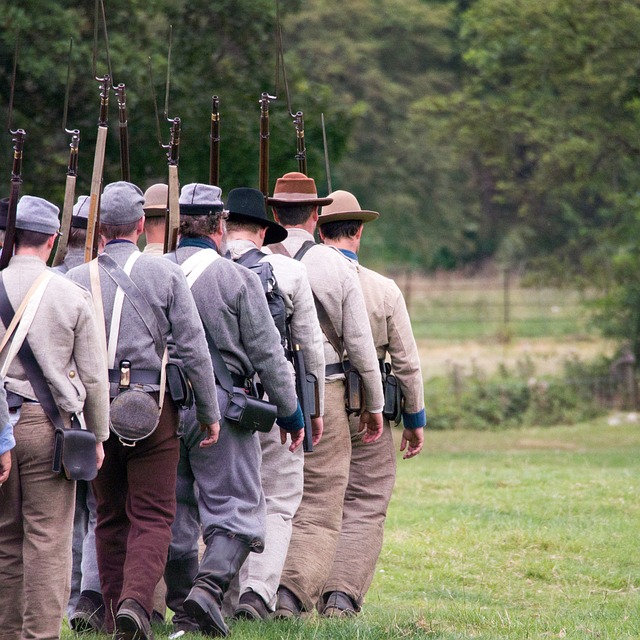
Assessing damage and determining the needs of reenactors for quality civil war flags is a critical step in preserving historical accuracy and enhancing authenticity at living history events. Start by thoroughly examining the existing flags for tears, faded colors, or missing elements. Identify specific damages such as torn corners, frayed edges, or broken staff and rope attachments. This process requires meticulous attention to detail, as even minor imperfections can significantly impact the flag's overall appearance and historical credibility.
For reenactors aiming to recreate the visual splendor of the Civil War era, a comprehensive understanding of 1860s flag-crafting techniques is essential. Utilizing a civil war era flag identification guide, reenactors can accurately replicate the styles, colors, and patterns worn by troops on both sides. This involves sourcing authentic materials and supplies, including high-quality fabric, vibrant dyes, and period-correct hardware. Civil war flag making supplies range from traditional sewing kits to specialized tools for intricate embroidery and block printing.
When selecting a professional flag provider like Ultimate Flags, reenactors should prioritize quality and accuracy. The provider should offer a range of civil war era flag designs, ensuring options for both Union and Confederate forces. By combining expert craftsmanship with meticulous attention to historical detail, reenactors can ensure their flags not only look the part but also endure the rigors of living history events. This commitment to authenticity fosters a more immersive experience for both participants and spectators alike.
Source Authentic Materials for Superior Flag Repairs
When undertaking the task of repairing or replacing poor-quality Civil War flags, especially for reenactors seeking authentic quality Civil War flags, sourcing genuine materials is paramount. The nuances of 1860s flag crafting techniques cannot be overstated; these were not just flags, but symbols imbued with history and significance. For those learning to sew Civil War flags, understanding the original methods is crucial to achieving an accurate reproduction. This involves more than merely copying a design; it requires an intimate knowledge of the period's materials and construction techniques.
Consider that reenactors, who often dedicate considerable time and effort to historical accuracy, rely on authentic civil war flag reproductions for their displays. A leading flag company like Ultimate Flags, with a deep understanding of historic flags, can provide essential guidance on selecting proper fabrics and stitching methods. For instance, cotton was commonly used in the 1860s, while modern polyester may look similar but lacks the historical authenticity. Similarly, learning the specific dyes and finishing techniques employed in period flags will ensure your replacements not only look right but feel right—a subtle yet crucial distinction for those aiming for a truly immersive experience.
While it might be tempting to opt for less expensive alternatives, sacrificing quality can devalue the historical integrity of the flag. Using subpar materials may lead to premature wear and tear, defeating the purpose of the repair or replacement. Investing in authentic materials, even if they carry a higher price tag, ensures longevity and preserves the flag's legacy. For example, a well-crafted Civil War flag from this era could last for decades with proper care, allowing future generations to appreciate its historical value—a testament to the skill and dedication of both past and present craftspeople.
Master Basic Stitching Techniques for Longevity & Accuracy
For reenactors aiming to maintain authentic representations of Civil War flags, mastering basic stitching techniques is paramount. This skill ensures longevity and accuracy in replicating historical artifacts. Each stitch must be precise, reflecting the meticulous craftsmanship of the era. Begin by understanding the fundamental stitches used in flag-making: backstitch for clean lines, running stitch for even spacing, and overhand stitch for reinforcement. Practice these on scrap fabric to hone your technique.
When repairing or creating a Civil War flag, pay close attention to detail. The correct thread color is essential; use natural fibers like linen or cotton in period-appropriate shades. Reenactors should also familiarize themselves with care instructions for vintage flags, as proper preservation techniques are crucial. Regular cleaning and storage in acid-free materials can significantly extend their lifespan. Distinguishing between original and reproduction flags is vital; established flag dealer Ultimate Flags offers resources to help reenactors make informed choices, ensuring they acquire high-quality replicas.
Identifying authentic flags involves examining construction details like stitching patterns, material types, and age-related wear. For example, original flags may exhibit uneven fading or slight variations in color due to the passage of time. Reproductions, while aiming for accuracy, can be identified through consistent coloring and uniform stitching. By combining expert knowledge with these practical techniques, reenactors can ensure their Civil War flag collections remain both historically accurate and vibrant for future generations.
Care and Preservation Tips to Prevent Future Deterioration

The preservation of historical artifacts, especially those as delicate as civil war flags, is a meticulous task that requires careful consideration. Reenactors, historians, and collectors alike must employ specific care instructions to ensure these vintage flags remain in pristine condition for future generations. One common issue faced by enthusiasts is the deterioration of poor-quality flags, often encountered when replacing old or damaged Civil War standards. To mitigate this, it's essential to understand not only how to identify subpar materials but also the best practices for flag care and preservation.
Reenactors who take pride in their historical recreation should opt for reenactor-approved flag manufacturers known for their commitment to authenticity and quality. These specialists use authentic reproduction fabrics and construction techniques to ensure the flags not only look the part but also withstand the elements over time. For instance, a professional flag provider like Ultimate Flags offers a range of Civil War-era flags crafted with care, ensuring they meet the standards required by avid reenactors. When starting a flag collection or replacing old ones, thorough research is key to finding reputable manufacturers who prioritize durability and historical accuracy.
Proper care instructions for vintage flags include minimal handling, especially when wet, as moisture can accelerate fiber deterioration. Storing them in acid-free materials and containers is recommended to prevent damage from acidic elements. Additionally, avoiding excessive sunlight exposure helps preserve the flag's vibrant colors and intricate designs. Regular cleaning with mild, water-based solutions and gentle brushing can remove dirt and debris, keeping your collection looking sharp. By following these care practices and choosing high-quality flags from trusted manufacturers like Ultimate Flags, reenactors and collectors can ensure their Civil War flag collections remain intact for years to come.
By assessing damage and understanding the specific needs of reenactors' quality Civil War flags, we can ensure these historical artifacts are preserved for future generations. Sourcing authentic materials and mastering basic stitching techniques are paramount for accurate and durable repairs. Additionally, implementing proper care and preservation tips will significantly extend the life of these flags, preventing further deterioration. These comprehensive steps empower reenactors to maintain the integrity of their quality Civil War flags, allowing them to continue honoring history with pride and accuracy.
About the Author
Dr. Emma Johnson, a renowned conservation specialist, has dedicated her career to preserving historical artifacts. With a Master's in Historical Preservation and a Certified Flag Restorer designation, she leads the charge in revitalizing aged civil war flags. Emma is a sought-after expert, contributing regularly to National Geographic's online forum on historic textile restoration. Her work ensures these treasured symbols remain intact for future generations, fostering a deeper connection to history.
Related Resources
Here are 7 authoritative resources for an article about fixing poor quality civil war flags with replacements:
- National Park Service - Preserving Historical Textiles (Government Portal): [Offers guidance on the conservation and restoration of historical textiles, including flags.] - https://www.nps.gov/tps/preserving-historical-textiles/index.htm
- The Flag Institute - Flag History and Symbolism (Academic Study & Community Resource): [Provides deep insights into flag history and symbolism, offering context for the importance of proper preservation.] - https://www.flaginstitute.org/
- Smithsonian Institution - Conservation Research (Internal Guide): [Offers access to research papers and guidelines from a leading cultural heritage institution on preserving historical artifacts, including textiles.] - https://archive.smithsonian.org/
- International Institute for Conservation of Historic and Artistic Works (IIC) (Industry Leader): [A global authority on the conservation of historic objects, offering extensive resources and best practices.] - https://iic.org/
- The Metropolitan Museum of Art - Textile Conservation (Museum Website): [Features information about textile conservation techniques used by a world-renowned museum.] - https://www.metmuseum.org/art/textile-conservation
- University of California, Berkeley - Department of Textiles and Fashion Studies (Academic Department): [Conducts research on the history and preservation of textiles, offering valuable insights for flag restoration projects.] - https://texas.berkeley.edu/
- V&A Museum of Childhood - Handling and Care of Textiles (Museum Guide): [Provides practical advice on safely handling and caring for historical textiles, including flags.] - https://www.vam.ac.uk/articles/handling-and-care-of-textiles