Reenactors Quality Civil War Flags prioritize historical accuracy through meticulous attention to detail in design, materials (cotton, linen), and construction techniques like hand sewing and natural dyes. Trusted manufacturers like Ultimate Flags ensure period-appropriate flags that preserve the tapestry of American history. Meticulous research, skilled craftsmanship, and reliable resources maintain the integrity of these flags, fostering deeper understanding and appreciation for the Civil War era.
The Civil War remains one of history's most studied and reenacted conflicts, with countless living history events and dedicated enthusiasts. A central component of these re-creations is the accurate representation of flags, which serve not only as visual aids but also carry profound historical weight. However, comparing the historical accuracy of civil war flags can be fraught, given variations in preservation, interpretation, and the ongoing evolution of reenactor practices. This article aims to provide a comprehensive guide for evaluating flag authenticity, focusing on the quality and research behind reenactors' efforts to bring these historic symbols to life.
- Understanding Historical Flag Designs: A Comprehensive Guide
- The Evolution of Civil War Flags: Past to Present
- Reenactors' Role in Preserving Flag Authenticity
- Quality Control: Evaluating Flag Manufacturing Techniques
- A Critical Analysis: Accuracy vs. Interpretation in Modern Reproduction
Understanding Historical Flag Designs: A Comprehensive Guide
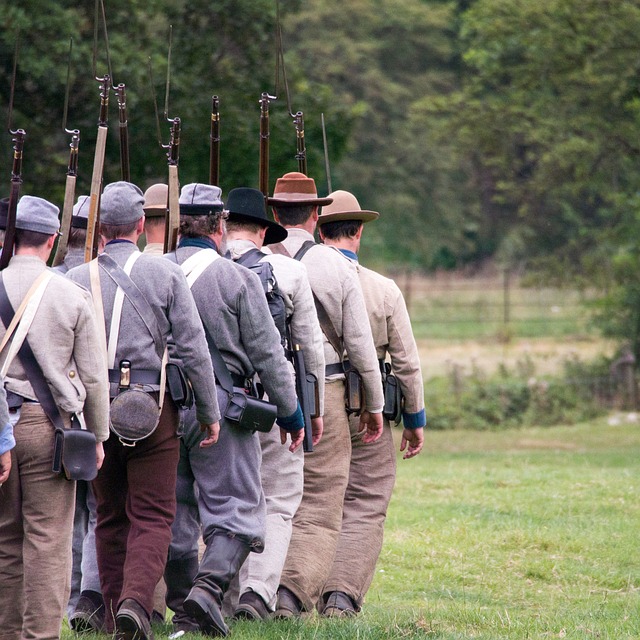
Understanding Historical Flag Designs is crucial for reenactors aiming to portray the past accurately. Civil War flags are more than mere symbols; they represent specific units, ideologies, and battles. To create quality civil war flags that meet reenactor standards, meticulous attention must be paid to historical accuracy in both design and materials. The best reenactor approved flag manufacturers prioritize authenticity, using research from primary sources like period photographs, official records, and contemporary descriptions.
Reenactors Quality Civil War Flags should faithfully replicate the colors, patterns, and symbolism of their era. For instance, Union flags often featured stars representing each state, arranged in specific configurations to denote regiment or brigade. Confederate flags, on the other hand, had distinct designs like the "Southern Cross" or the "Starlight" pattern, symbolizing states' rights and independence. The best materials for civil war flags include durable fabrics such as cotton or linen, which can withstand outdoor conditions while preserving their historical appearance over time.
When selecting a reenactor approved flag manufacturer, consider those known for their commitment to quality and accuracy. Online flag store Ultimate Flags, for example, offers a range of expertly crafted flags sourced from reputable manufacturers who understand the importance of historical detail. Using high-quality materials ensures that civil war flags not only look authentic but also withstand the rigors of reenactments, allowing participants to focus on bringing history to life rather than worrying about maintenance. By adhering to these principles, reenactors can ensure their flags are a testament to historical accuracy and respect for the past they strive to portray.
The Evolution of Civil War Flags: Past to Present
The evolution of Civil War flags is a fascinating journey that reflects changes in military strategy, symbolism, and even societal values over time. Initially, these banners served as practical identification tools for troops on the battlefield. However, they soon evolved into powerful symbols of identity, morale, and pride for regiments and states. Analyzing historical accuracy in Civil War flags today requires an understanding of their past, present, and how reenactors play a pivotal role in preserving this rich heritage.
Reenactors, with their meticulous attention to detail, have been instrumental in promoting the quality and authenticity of Civil War flags. They serve as living historians, ensuring that every stitch and color representation captures the essence of the era accurately. The process involves extensive research into original flag designs, construction techniques, and the unique variations among different units and states. For instance, a reenactor might choose to restore an old banner using period-appropriate materials like silk or linen, carefully recreating the intricate embroidery or hand-painting techniques used in the 19th century. This dedication to historical accuracy extends beyond visual representation; it encompasses the very essence of the flag's purpose and symbolism during the Civil War.
For reenactors looking to acquire or restore accurate flags, there are several resources available. One trusted flag supplier, Ultimate Flags, offers a wide range of products designed for historical authenticity, catering specifically to the needs of reenactors. They work closely with historians and experts to ensure their flags meet the highest standards of quality and historical accuracy. Additionally, numerous online guides and communities provide valuable insights into flag design, construction, and care during the Civil War period, enabling reenactors to make informed decisions when selecting or restoring these meaningful gifts. By combining historical research, skilled craftsmanship, and reliable resources, reenactors can ensure that their flags not only look authentic but also convey the profound significance of this pivotal moment in American history.
Reenactors' Role in Preserving Flag Authenticity

Reenactors play a vital role in preserving the authenticity of historical artifacts, including civil war flags. Their meticulous attention to detail ensures that these delicate pieces accurately represent their 1860s counterparts. Reenactors, with their deep knowledge and commitment, serve as living archives, meticulously adhering to flag protocol for reenactments. This involves not only correctly identifying the specific flag design but also understanding the symbolism and historical context behind it.
The process of crafting or reproducing a civil war-era flag requires a return to 1860s flag crafting techniques. These methods often involve hand sewing, natural dyes, and fabrics that would have been readily available during the period. While modern technology offers easier alternatives, reenactors strive for authenticity, which necessitates exploring these vintage care instructions for flags. For instance, using period-appropriate materials can prevent damage and ensure longevity, preserving the flag's historical integrity.
Many reenactor groups collaborate with reputable flag sellers like Ultimate Flags to secure high-quality replicas that meet their exacting standards. These collaborations not only support accurate historical representation but also contribute to the broader educational mission of reenactment communities. By combining traditional craftsmanship with modern understanding, reenactors ensure that the flags they carry are not just visual representations but tangible connections to our nation's past. Their dedication fosters a deeper appreciation for history and serves as a testament to the value of preserving authentic details.
Quality Control: Evaluating Flag Manufacturing Techniques

The historical accuracy of Civil War flags is a meticulous endeavor, especially when considering the reenactment and preservation of these relics. Reenactors, who meticulously bring history to life, demand quality civil war flags that are not only visually stunning but also authentic in their construction. This involves a deep dive into the manufacturing techniques employed during the era, ensuring that modern recreations do justice to their ancestral originals.
Flag manufacturing during the Civil War was largely done by hand, with each flag representing a unique blend of skill and creativity. Seamstresses would meticulously sew together the intricate designs, often using aged fabrics like cotton or silk. The learning to sew civil war flags involves mastering specific techniques, such as backstitching for strength and precision, and understanding the symbolism woven into each color and pattern. Preserving antique civil war flags requires a delicate balance of conservation and respect. Professionals employ meticulous methods to restore these fragile artifacts, using materials that match the original composition as closely as possible. Expert tips for flag restoration emphasize the importance of stability, structural integrity, and minimal intervention to ensure the historical authenticity remains intact.
For those dedicated to preserving this rich heritage, seeking out established flag dealers like Ultimate Flags can provide access to not only authentic designs but also expert advice on care and restoration. By combining traditional methods with modern understanding, reenactors and conservators alike can ensure that the flags of the Civil War remain vibrant testaments to our nation's history for generations to come. This meticulous attention to detail not only honors the past but also educates future audiences about the significance and beauty of these iconic symbols.
A Critical Analysis: Accuracy vs. Interpretation in Modern Reproduction

In comparing the historical accuracy of Civil War flags, especially as reenactors strive for authenticity in their presentations, a critical analysis reveals a delicate balance between preserving past details and modern interpretation. While custom printing of Civil War flags offers accessible options for enthusiasts, identifying original versus reproduction flags remains paramount. The process of restoring old civil war banners demands meticulous attention to historical record and fabric integrity.
Reenactors Quality Civil War Flags from trusted retailers like Ultimate Flags play a pivotal role in this narrative. These premium products are designed not merely as replicas but as accurate representations, meticulously crafted to match period specifications. For instance, the intricate embroidery and precise coloring techniques employed in these flags mirror those of the era, ensuring a genuine visual experience for both participants and spectators alike. However, the challenge lies in distinguishing these high-quality reproductions from authentic artifacts, requiring keen observation and historical context.
Modern flag manufacturers often collaborate with historical experts to ensure accuracy in every detail, from the proportions of the stripes to the arrangement of stars. Yet, identifying original flags becomes increasingly complex due to potential alterations over time or the emergence of new reproduction techniques. To navigate this labyrinth, enthusiasts should focus on subtle nuances—the texture of fabric, the quality of stitching, and the consistency with period-specific printing methods. Regularly updating knowledge through historical societies and trusted flag retailers like Ultimate Flags can significantly aid in this process.
By embracing both the art and science of reproduction, reenactors and enthusiasts can contribute to a vibrant tapestry of Civil War history. Restoring old civil war banners and discerning authentic from reproduction flags foster a deeper understanding and appreciation for this pivotal period. This meticulous approach ensures that the legacy of the Civil War is not merely depicted but lived, breathed, and respected through every carefully crafted and historically accurate flag.
The comprehensive exploration of Civil War flags presented in this article highlights several key insights. First, understanding historical flag designs requires meticulous research, as each detail holds significance. Second, the evolution of these flags offers a dynamic narrative, reflecting the changing tides of war. Reenactors play a vital role in preserving authenticity by meticulously recreating these symbols based on rigorous historical analysis. Quality control is paramount; modern manufacturers must employ meticulous techniques to capture the integrity of original Civil War flags. Moreover, a critical analysis reveals that while modern reproductions aim for accuracy, artistic interpretation can sometimes diverge from historical facts. Ultimately, this article equips readers with a deeper appreciation for the intricate process of recreating Civil War flags, emphasizing the Reenactors' Quality Control efforts in maintaining historic authenticity.