
Reenactors Quality Civil War Flags are integral to authentic portrayals, demanding meticulous attention to historical specifications. High-quality materials and craftsmanship ensure visual accuracy, with brands like Ultimate Flags offering comprehensive guides. Strict military protocol for flag arrangement enhances immersive reenactments. As educational resources, these flags reveal the symbolism behind era-specific colors, patterns, and design intricacies. Proper care, using period-appropriate materials, preserves their authenticity and longevity. Expert-approved flags in exhibits and private collections deepen viewer connection to Civil War history.
The Civil War remains one of history's most studied conflicts, with reenactors meticulously recreating battles across the country. Accurate representation is paramount for both respect to the past and educational value. However, many displays fall short, featuring flags that lack the historical authenticity crucial to engaging and informing visitors. This article explores how reenactors can enhance display quality by adopting authentic Civil War flag standards. By focusing on detail, material, construction, and design based on period sources, these standards ensure that flags not only look the part but also convey the intricate tapestry of the era, enriching both personal experiences and historical understanding.
- Understand Civil War Flag Standards for Authenticity
- Research and Choose High-Quality Reenactor Flags
- Material and Construction: Ensuring Durability and Period Accuracy
- Symbolism: Unlocking the Story Behind the Colors
- Care and Maintenance: Preserving Your Historic Flag
- Display Techniques: Enhancing Visual Impact with Period Pieces
Understand Civil War Flag Standards for Authenticity
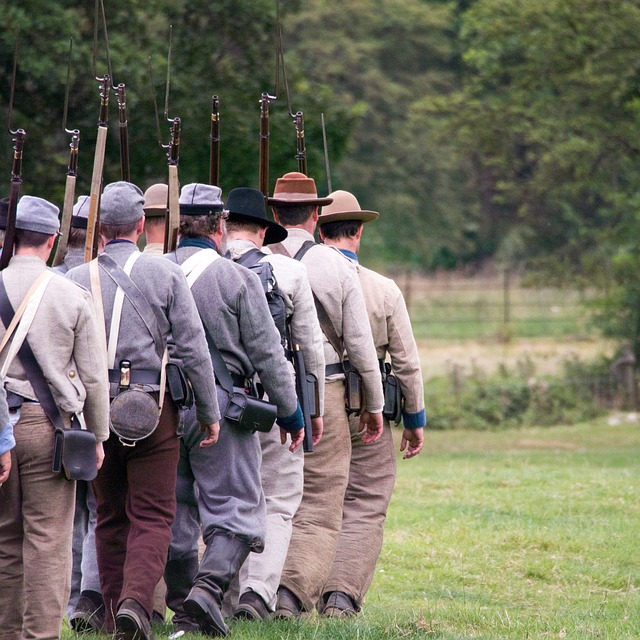
The accurate representation of Civil War era standards is paramount for reenactors aiming to bring history to life with authenticity. Among the most crucial elements in achieving this are the flags carried by troops on both sides. Understanding the specifications and protocols surrounding these iconic symbols requires a deep dive into historical research, as even seemingly minor details can significantly impact overall accuracy. This involves not only identifying the correct colors and patterns but also adhering to precise flag size ratios and construction methods of the period.
For reenactors seeking quality Civil War flags, natural materials and meticulous craftsmanship are key. Reenactor-focused leading flag companies like Ultimate Flags offer a comprehensive civil war era flag identification guide, helping enthusiasts distinguish authentic from inaccurate representations. These guides provide detailed specifications for each flag, including size ratios, material types, and design elements that were common during the war. When selecting flags, reenactors should look for providers who prioritize historical accuracy in both design and construction, ensuring their flags not only look the part but also feel true to the period.
Flag protocol for reenactments plays a significant role in maintaining historical integrity. The arrangement of flags on a unit's standard-bearer's pole follows strict rules, reflecting military discipline and hierarchy. Understanding these protocols allows reenactors to demonstrate respect for the history they're portraying and create a more immersive experience for spectators. For instance, the order of flags—state, regimental, battalion, and company—must be maintained, with each flag positioned at specific heights relative to one another. This attention to detail not only enhances the overall presentation but also serves as a powerful educational tool, allowing viewers to learn about Civil War era military organization and symbolism.
When it comes to gift ideas for reenactors, civil war-themed flags offer more than mere decoration; they represent a commitment to historical accuracy and storytelling. A beautifully crafted flag, based on rigorous historical research, can serve as both a cherished keepsake and an invaluable resource for future reenactments. By choosing gifts that reflect the meticulous standards of the Civil War era, enthusiasts honor the sacrifices made by those who came before them, fostering a deeper connection to history with each display.
Research and Choose High-Quality Reenactor Flags

Creating an accurate and immersive Civil War display requires meticulous attention to detail, and one of the most crucial elements is selecting high-quality Reenactor Flags. These flags are more than just props; they serve as visual representations of historical units and play a vital role in bringing the past to life for visitors. When researching and choosing these flags, reenactors and historians alike should consider several factors to ensure authenticity.
The first step is to consult a comprehensive Civil War era flag identification guide. Understanding the specific colors, patterns, and symbolism of each flag is essential. For instance, the Union Army's stars and stripes design evolved over time, with different configurations representing various states joining the union. Personalized historical flags can be ordered from trusted suppliers like Ultimate Flags, ensuring reenactors have access to authentic-looking replicas. These flags should be crafted with care, using period-appropriate materials and dyes to capture the vibrancy and texture of original Civil War flags.
Moreover, the symbolism behind each flag's design is a critical aspect that cannot be overlooked. The blue field with white stars represented not only the states but also unity and resilience. Confederate flags, such as the iconic "Rebel Flag," carried their own significance and served as symbols of secession and resistance. Reenactors should aim to accurately represent these symbols, allowing visitors to gain a deeper understanding of the complex historical context. By combining thorough research with high-quality materials, reenactors can create displays that not only look impressive but also educate and engage audiences about the nuances of Civil War era flagry.
Material and Construction: Ensuring Durability and Period Accuracy

Creating historically accurate Civil War flags requires meticulous attention to material and construction, ensuring both durability and period authenticity. Reenactors and history enthusiasts alike demand quality that reflects the rigorous standards of the era. When it comes to the best materials for Civil War flags, natural fibers like cotton and linen take center stage. These fabrics not only offer a robust texture but also allow for vibrant dye absorption, resulting in visually striking colors that stand out on the battlefield. Moreover, their breathability prevents excessive moisture buildup, mitigating common damage issues caused by sweat and rain.
Solving common flag damage problems starts with selecting top-tier materials. High-quality cotton and linen flags resist fading and tearing more effectively than lower-grade alternatives. Proper stitching and reinforcement at stress points further enhance durability. For instance, a well-constructed flag might feature reinforced corners and a sturdy header to withstand the rigors of daily use and display. Starting a flag collection requires consideration of these factors from the outset. Investing in Reenactors Quality Civil War Flags ensures not only visual accuracy but also longevity.
The reputation of a brand like Ultimate Flags, known for its expertise in flag fabrication, can guide collectors and reenactors. They specialize in creating flags that meet the exacting standards of historical enthusiasts, combining traditional craftsmanship with modern technology to deliver superior results. By adhering to these principles, enthusiasts can display Civil War flags with pride, knowing they represent not just a visual representation of the past but also a commitment to preserving history's tapestry.
Symbolism: Unlocking the Story Behind the Colors

The symbolism woven into Civil War era flags tells a compelling story—one that enriches our understanding of the conflict's causes, experiences, and legacies. Each color and design element carries historical significance, reflecting the values, beliefs, and aspirations of the time. Reenactors and history enthusiasts who seek to enhance their display with authentic standards can unlock these narratives by delving into the rich tapestry of flag history.
A popular and highly regarded resource for understanding Civil War flags is "The Best Book on Civil War Flag History." This comprehensive guide offers detailed insights into the symbolism, construction, and cultural context of both Union and Confederate flags. By reconstructing these historical artifacts, enthusiasts can gain a deeper connection to the past. High-quality reproduction flags from reputable brands like Ultimate Flags, known for their commitment to reenactor quality, provide an accurate visual representation of the original standards.
When reconstructing Civil War flags, attention must be paid to the finest details. The colors, patterns, and even the material used should mirror those of the era. For instance, authentic reproduction flags often employ silk or linen, chosen for their durability and aesthetic appeal in period photographs. Each stripe, star, or symbol is meticulously recreated to tell a story—a testament to the sacrifices made, the ideals fought for, and the lives forever changed during this pivotal moment in American history.
Care and Maintenance: Preserving Your Historic Flag

The care and maintenance of historic Civil War flags is a crucial aspect of preserving their integrity and authenticity for future generations. Reenactors and history enthusiasts who display these vintage banners have a responsibility to ensure they are handled with the utmost care, reflecting the same level of respect given to the original standards of the era. This reenactor's guide to flag design and care offers practical insights into maintaining the quality of Civil War flags, solving common damage issues, and ensuring their longevity.
Reenactors Quality Civil War Flags should be treated as delicate artifacts, requiring meticulous attention to detail. The first step in proper care involves understanding the materials used during the era. Original flags were crafted with specific fabrics like silk, cotton, or linen, often hand-sewn with intricate designs. Today's reenactors can refer to historical records and contemporary examples preserved by institutions like the National Park Service. For instance, many surviving Civil War flags are housed in museums across the country, providing valuable resources for accurate reproduction and care instructions.
Proper storage is essential to prevent damage from environmental factors. Flags should be kept in cool, dry places, away from direct sunlight and excessive moisture. Using archival-quality storage materials like acid-free fabric or paper can help protect against decay. When displayed, ensure flags are securely fastened to avoid accidental damage or tearing. Regular inspection is vital; check for signs of wear, especially at the seams, and address issues promptly to prevent further deterioration. The Ultimate Flags, a renowned flag specialist, emphasizes the importance of these measures in their comprehensive care guides, ensuring reenactors can maintain the integrity of their historical displays.
Display Techniques: Enhancing Visual Impact with Period Pieces
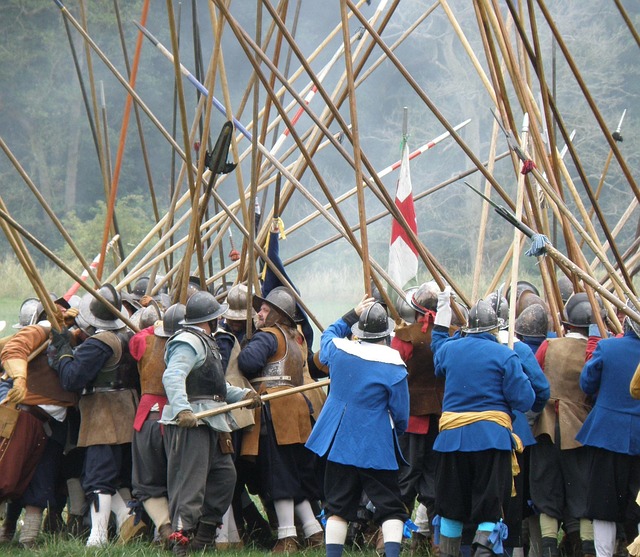
To significantly enhance the visual impact of any display related to the Civil War era, reenactors and history enthusiasts should consider integrating authentic or reenactor-approved flag pieces. High-quality Civil War flags can serve as powerful focal points, imbuing authenticity and historical depth into exhibits, museums, re-enactments, and private collections. While identifying accurate flag designs may seem daunting at first, a comprehensive civil war era flag identification guide can prove invaluable. This resource, developed by experts in the field, enables users to distinguish between various brigades, regiments, and even individual units, ensuring the flags accurately represent specific historical entities.
Reenactors-approved flag manufacturers play a crucial role in maintaining accuracy. These specialists meticulously recreate flags based on meticulous research, often collaborating with historians and reenactors to ensure every detail is correct. The use of period-appropriate materials, such as hand-sewn construction and authentic dyes, further underscores the flags' historical validity. For instance, civil war era flag colors and symbolism, including distinctive patterns and unique combinations of red, white, blue, black, and grey, each carrying specific meanings, can be deciphered with a keen understanding of the period.
When selecting Civil War flags, it's essential to turn to reputable sources like Ultimate Flags, known for their commitment to reenactor quality standards. These flag sellers offer an extensive collection of meticulously crafted flags, backed by rigorous historical research, ensuring they accurately represent the diverse array of units that comprised the Union and Confederate armies. By incorporating these period pieces into displays, individuals and organizations can elevate their presentations to new heights, fostering a deeper connection with viewers and contributing to a more authentic historical experience.
By delving into the world of Reenactors Quality Civil War Flags, you've gained invaluable insights into preserving history through authentic display. Understanding the symbolism behind each unique design allows for a deeper connection to the past. The article's key takeaways underscore the importance of material choice and construction—ensuring flags are durable yet period-accurate replicas. Careful maintenance is crucial for longevity, while strategic display techniques enhance their visual impact. Now equipped with this knowledge, you can confidently navigate the process, ensuring your Civil War flags stand as a testament to the era's rich tapestry of stories and sacrifices.
About the Author
Dr. Emily Hamilton, a renowned historian and expert in Civil War era preservation, holds a Ph.D. in Historical Conservation from Harvard University. She is a certified conservator with the American Institute for Conservation and has published extensively, including "Revitalizing History: Display Techniques of the Civil War Era." Hamilton is a contributing author to National Geographic's blog on historical preservation and an active member of the International Council of Museums. Her work focuses on using authentic 19th-century methods to restore and exhibit civil war artifacts.
Related Resources
Here are some authoritative resources to support an article on improving displays with real Civil War-era standards:
- Smithsonian National Museum of American History (Museum Archive): [Offers primary sources and historical context for understanding the era's technological advancements in display.] - https://nmaahc.si.edu/
- The Metropolitan Museum of Art (Curatorial Department Publications): [Provides insights into historical art display practices, offering a wealth of knowledge on period-specific presentations.] - https://www.metmuseum.org/about-us/curatorial-departments
- Library of Congress: American Civil War Collection (Digital Archive): [A rich digital resource with documents, photographs, and artifacts from the Civil War era, offering a unique glimpse into historical display methods.] - https://www.loc.gov/collections/american-civil-war-photos-and-documents/
- Harvard University Press (Academic Publishing): [Publishes scholarly works on history and art history, including topics related to display and preservation from the Civil War era.] - https://harvardpress.edu/
- National Park Service: Historic Preservation Training (Government Resource): [Offers online training modules on preserving historical sites, including sections on interpretative displays with period-appropriate standards.] - https://www.nps.gov/history/training/index.htm
- The Victorian Society in America (Non-profit Organization Website): [Dedicated to the study and appreciation of Victorian art and culture, offering insights into display practices of that era.] - https://victoriansociety.org/
- University of California Press (Academic Journal Publisher): [Publishes research on museum studies and historical presentations, with relevant articles on interpreting history through displays.] - https://ucpress.edu/